
মোহাম্মদ সিরাজ হায়দার চৌধুরী
প্রভাষক

২৭ অক্টোবর, ২০২৩ ০২:০২ অপরাহ্ণ
প্রভাষক
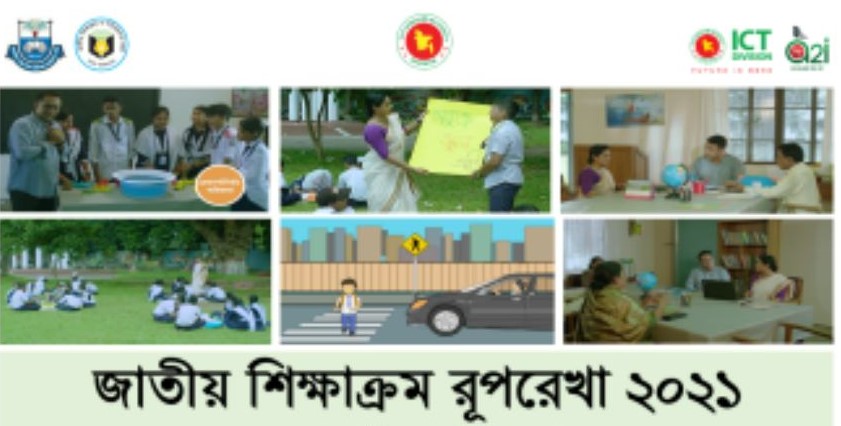
The Bangladesh National Curriculum Framework (NCF) 2021 represents a significant step in the country's education system. It outlines the principles, goals, and guidelines for curriculum development, aiming to improve the quality and relevance of education in Bangladesh. While it presents opportunities for positive change, it also comes with challenges that need to be addressed for its successful implementation. Here, we will discuss both the challenges and possibilities associated with the Bangladesh NCF 2021.
Challenges:
1. Resource Allocation: Implementing a new curriculum framework requires adequate funding and resources, including textbooks, trained teachers, and infrastructure. Resource allocation is often a challenge in Bangladesh's education system, and this could hinder the effective rollout of the NCF.
2. Teacher Training: The success of the NCF relies heavily on teachers who must be well-prepared to deliver the new curriculum. Providing quality training to a large number of teachers across the country is a significant challenge. Though the govt. has initiated massive teacher training program, the quality of the participant teachers and trainers have been questioned by the masses.
3. Assessments and Evaluation: Developing new assessment methods that align with the NCF is essential. Traditional exams may not accurately gauge the skills and competencies the new curriculum aims to instill, making it necessary to revamp the evaluation system.
4. Curriculum Material Availability: Ensuring that updated and relevant textbooks and supplementary materials are available to students and teachers can be challenging. The timely production and distribution of materials need careful planning.
5. Diverse Student Backgrounds: Bangladesh has a diverse student population with varying socio-economic and linguistic backgrounds. Tailoring the curriculum to meet the needs of this diverse group while maintaining a uniform quality of education can be a complex task.
6. Social and Cultural Sensitivity: The curriculum must be sensitive to Bangladesh's diverse cultures and religions to promote inclusivity. Striking a balance between national unity and cultural diversity can be challenging.
7. Teacher Resistance: Some teachers may resist changes to the curriculum, especially if they are accustomed to the previous system. Convincing educators of the benefits and necessity of the NCF can be a hurdle.
Possibilities:
1. Improved Relevance: The NCF 2021 has the potential to make the curriculum more relevant to the needs of students and society. It emphasizes skills, competencies, and values that can prepare students for the challenges of the modern world.
2. Critical Thinking and Creativity: The NCF encourages critical thinking, creativity, and problem-solving skills. This could lead to a generation of students who are better equipped to innovate and adapt in a rapidly changing global landscape.
3. Inclusivity: The NCF can promote inclusivity by accommodating diverse cultural and linguistic backgrounds, making education more accessible and meaningful to all students.
4. Skills Development: The curriculum framework emphasizes skills development, which could align education more closely with the demands of the job market and economic development.
5. Enhanced Assessment Methods: The NCF encourages the development of alternative assessment methods that provide a more holistic view of a student's capabilities. This could reduce the emphasis on rote learning.
6. Global Competitiveness: Preparing students to be globally competitive by focusing on 21st-century skills can contribute to Bangladesh's global standing in education and its workforce.
7. Sustainability and Civic Values: The NCF highlights environmental sustainability and the development of civic values, which are critical for addressing global challenges like climate change and social justice.
In conclusion, the Bangladesh National Curriculum Framework 2021 offers a pathway to a more relevant and inclusive education system. While there are significant challenges to overcome, including resource constraints and resistance to change, the possibilities are equally significant. If the challenges are addressed effectively, the NCF has the potential to transform the education landscape in Bangladesh and empower the next generation with the skills and knowledge needed to thrive in the 21st century.





২
৪ মন্তব্য