
সিত্তুন নাবিলা সিদ্দিকা
সহকারী প্রধান শিক্ষক
০৮ অক্টোবর, ২০২৪ ০১:৫২ পূর্বাহ্ণ
সহকারী প্রধান শিক্ষক
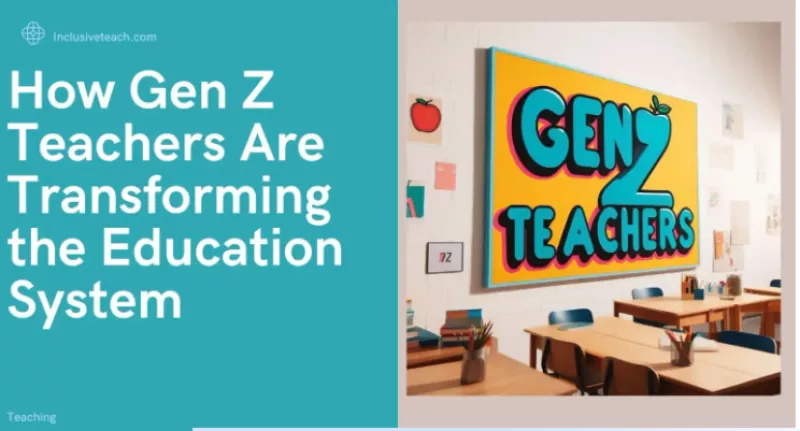
How Gen Z Teachers Are Transforming the Education System
Table of Contents
1. Who is Generation Z & How are They Influencing Education?
2. How Gen Z Teachers Adapt to the Preferences of Gen Z Students
3. What Drives Generation Z Teachers?
4. The Drawbacks of Technology in Education
5. How Gen Z Teachers Are Shaking Up the Classroom
6. Promoting Mental Health and Wellbeing
7. Leveraging Personal Brand, Social Networks, and Online Tools
8. Teachers’ Online Reputation
9. Gen Z Collaborating Teachers
10. Embracing Digital CPD (Continuous Professional Development)
Who is Generation Z & How Are They Influencing Education?
Generation Z, born between 1997 and 2012, is the most digitally connected and diverse generation. Having grown up in a world dominated by smartphones, social media, and instant access to information, they bring fresh perspectives into every field—including education. Gen Z values authenticity, social justice, and innovation, and these traits are reflected in their approach to teaching. As educators, they challenge traditional methods, pushing for more inclusive, tech-integrated, and mentally healthy learning environments.
With their entry into the workforce, Gen Z teachers are reshaping classrooms. They not only understand technology deeply but also prioritize mental health and advocate for societal issues. Their close age gap with their students allows them to connect on a personal level, enhancing engagement and making learning more relevant.
How Gen Z Teachers Adapt to the Preferences of Gen Z Students
Gen Z students, being digital natives, have a different approach to learning compared to previous generations. They prefer autonomy, crave real-world relevance, and seek constant feedback. Understanding this, Gen Z teachers have adapted their methods by:
- Offering frequent, personalized feedback using apps and online platforms, ensuring students remain aware of their progress.
- Adopting student-centered learning methods such as project-based and flipped classrooms to provide students with more control over their learning.
- Linking classroom lessons to current global issues, like climate change and social justice, making education more impactful and meaningful.
What Drives Generation Z Teachers?
For Gen Z teachers, a sense of purpose is more important than status or financial gain. Their mission revolves around inspiring students and creating positive societal change. They are deeply invested in causes such as environmental sustainability, mental health, and social equality.
In the classroom, this drive is reflected in their teaching style. They focus on empowering students to engage with real-world problems, using technology and creative approaches to cultivate both intellectual and emotional growth.
The Drawbacks of Technology in Education
Despite being digital experts, both Gen Z teachers and students face challenges with over-reliance on technology. Digital distractions, cyberbullying, and screen fatigue are some of the key issues affecting today’s learners. Students may also struggle with in-person communication due to their constant immersion in the digital world.
Gen Z teachers are mindful of these challenges. They teach digital wellness, promoting balance between online and offline activities. By emphasizing responsible technology use and fostering face-to-face interactions, they help students develop vital interpersonal skills alongside their academic learning.
How Gen Z Teachers Are Shaking Up the Classroom
Gen Z teachers are leveraging technology to enhance learning, creating interactive and inclusive classrooms. They use platforms like Class Dojo for real-time feedback and Google Classroom for collaborative learning. Remote tools like Zoom allow them to create seamless virtual learning experiences.
Inclusivity is a priority for Gen Z educators. They use differentiated instruction and universal design for learning to accommodate diverse learning needs. Techniques like trauma-informed teaching and restorative justice promote a classroom culture grounded in empathy and mutual respect.
Promoting Mental Health and Wellbeing
One of the hallmarks of Gen Z teachers is their commitment to mental health. Recognizing the importance of emotional resilience, they incorporate practices like mindfulness, yoga, and meditation into their teaching. By prioritizing their own mental health and that of their students, they create healthier and more supportive learning environments.
Social-emotional learning (SEL) programs, such as MindUP and Second Step, are also integrated into the classroom, helping students manage stress, build emotional intelligence, and develop resilience—skills crucial for navigating both school and life.
Leveraging Personal Brand, Social Networks, and Online Tools
Gen Z teachers are adept at using social media and personal branding to expand their influence. Platforms like Instagram, Twitter, and LinkedIn allow them to showcase achievements, share educational resources, and connect with fellow educators globally. By building a strong online presence, they extend their reach beyond the classroom, engaging students, parents, and education stakeholders.
These teachers also advocate for broader educational reforms, sustainability initiatives, and mental health awareness, using their digital influence to drive meaningful change on a local and global scale.
Teachers’ Online Reputation
In today’s digital landscape, maintaining a positive online reputation is critical. Gen Z teachers craft their professional identities through blogs, podcasts, and educational content on platforms like YouTube and LinkedIn. By participating in global educational conversations, they elevate their voices and influence within the broader educational community.
Gen Z Collaborating Teachers
Collaboration is key to the Gen Z teaching approach. Platforms like Slack, Zoom, and various social media groups enable Gen Z teachers to connect with colleagues from around the world, sharing best practices and innovative ideas. This global network fosters continuous learning, keeping educators at the cutting edge of pedagogy.
Embracing Digital CPD
Professional growth is a priority for Gen Z teachers. Digital Continuous Professional Development (CPD) platforms like Coursera, Udemy, and EdX provide them with endless opportunities for skill enhancement. From attending webinars to pursuing online certifications, these educators ensure they remain adaptable and equipped to handle the evolving educational landscape.
Conclusion
Gen Z teachers are transforming the education system through technology integration, promoting inclusivity, and advocating for mental health. Their innovative approach, combined with a deep understanding of social issues and an eagerness for personal development, is reshaping classrooms for the future. With their digital expertise and passion for making a difference, these educators are inspiring a new generation and driving lasting change in education.
Thanks and Best Regards--
Sittun Nabila Siddiqua
Assistant Head Teacher
Kadam Mobarak Moniruzzaman Yaslamabadi High School
Kotwali, Chattogram
BANGLADESH




১
১ মন্তব্য