
মোহাম্মদ বাবুল হোসেন
সহকারী শিক্ষক
১২ অক্টোবর, ২০২৪ ০৬:১২ অপরাহ্ণ
সহকারী শিক্ষক
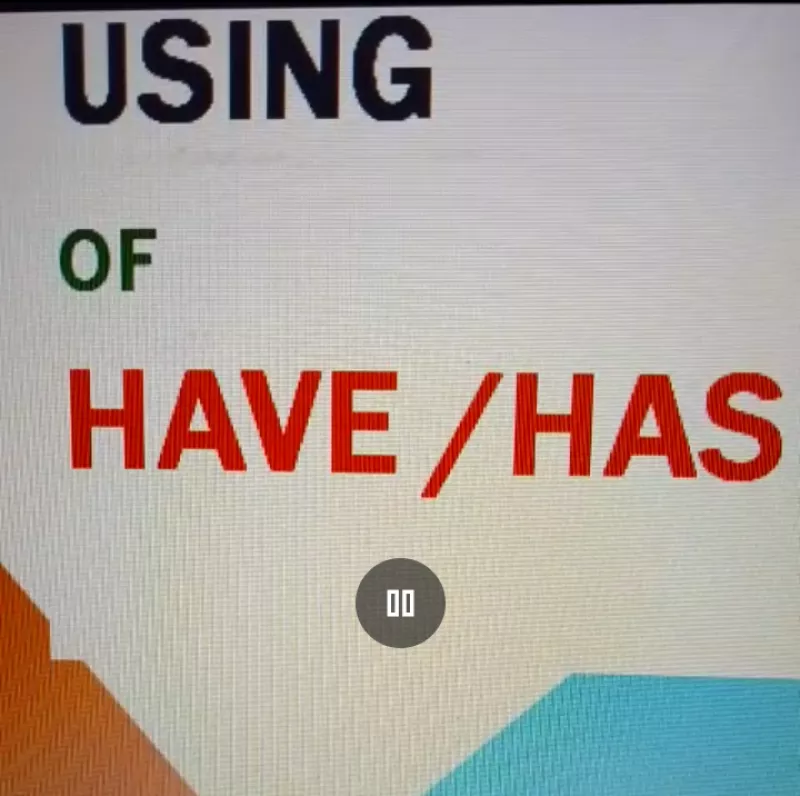
The use of "have" or "has" is essential in forming present perfect tense in English. "Have" is used with plural subjects (I, you, we, they) while "has" is used with singular subjects (he, she, it).
Key points to remember when using "have" or "has" include:
1. Use "have" with I, you, we, they (e.g. I have finished my homework)
2. Use "has" with he, she, it (e.g. She has gone to the store)
3. Use "have" or "has" before the past participle form of the verb (e.g. have eaten, has played)
4. Use "have" or "has" to indicate actions that started in the past and continue into the present (e.g. I have lived in this city for five years)
Overall, understanding the correct usage of "have" and "has" is crucial for forming accurate present perfect tense sentences in English.






১৩
১৯ মন্তব্য