The Importance and Responsibilities of Neutral Judgement in Game Management
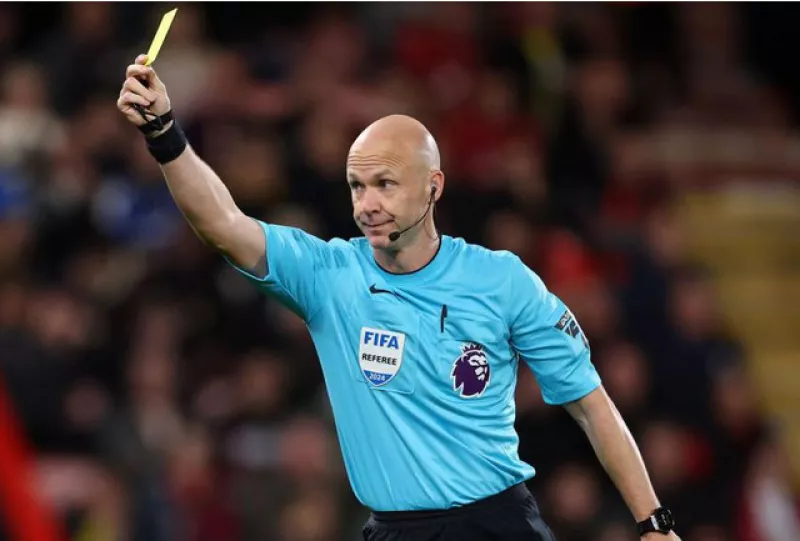
In any competitive activity like Jeetwin App, whether sports, board games, or e-sports, the role of a neutral and impartial judge is paramount. A fair and unbiased judgment ensures that the spirit of the game is upheld, fostering an environment of trust, respect, and healthy competition among participants. Below, we delve into the significance and key responsibilities of maintaining neutrality in game management.
Why Neutral Judgement is Important
- Ensures Fair Play:
Neutral judgment eliminates favoritism, ensuring that all participants are treated equally. This cultivates a sense of fairness and allows players to focus solely on their performance without doubting the integrity of the decisions.
- Preserves the Spirit of the Game:
Games are not just about winning or losing but also about teamwork, strategy, and respect for opponents. A neutral judge maintains the integrity of the game, ensuring it is played in the right spirit and not tainted by bias or unfair practices.
- Boosts Credibility:
Whether it’s a small local event or a global championship, the credibility of the game and its organizers depends on unbiased officiation. Neutral judgments build trust among participants, audiences, and sponsors.
- Encourages Participation:
Players are more likely to participate in games where they believe they will receive fair treatment. Neutrality attracts a larger pool of participants, enhancing the quality and competitiveness of the event.
Responsibilities of a Neutral Judge
- Understanding the Rules:
A judge must have a thorough understanding of the game’s rules and regulations. This ensures consistent and accurate decision-making during gameplay.
- Remaining Impartial:
A neutral judge must set aside personal biases, relationships, or external pressures. Their focus should be solely on enforcing rules and resolving disputes based on facts.
- Ensuring Discipline:
Maintaining order and discipline during the game is crucial. A judge should ensure that all players adhere to the rules and that any misconduct is addressed appropriately.
- Making Quick and Accurate Decisions:
In high-pressure situations, a judge must think quickly and make decisions that are both timely and accurate, minimizing disruptions to the game.
- Handling Disputes Professionally:
Disputes are inevitable in competitive games. A neutral judge must listen to all parties involved, review the facts, and resolve conflicts fairly and transparently.
- Staying Alert:
A judge’s role requires constant vigilance. They must observe the game closely, anticipate potential issues, and act proactively to prevent controversies.
- Communicating Clearly:
Effective communication is vital. A judge must explain their decisions clearly and calmly to ensure that all players understand the rationale behind each ruling.
Challenges Faced by Neutral Judges
Neutral judgment is not without its challenges. Judges often face intense scrutiny from players, coaches, and spectators. In high-stakes games, emotions can run high, and decisions are often contested. However, a well-trained and impartial judge can navigate these challenges with confidence, ensuring that the game remains fair and enjoyable for all.
Conclusion
The role of a neutral judge in game management cannot be overstated. Their impartiality and dedication to fairness uphold the core values of competition, ensuring that every game is not only a contest of skill but also a celebration of sportsmanship. A competent and unbiased judge is the backbone of any successful game, ensuring that all participants leave the field with their dignity intact and their trust in the system reinforced.







৬
১০ মন্তব্য