
মোঃ শামসুদ্দোহা
সহকারী শিক্ষক

১৯ জানুয়ারি, ২০২৫ ০৬:৩৯ অপরাহ্ণ
সহকারী শিক্ষক
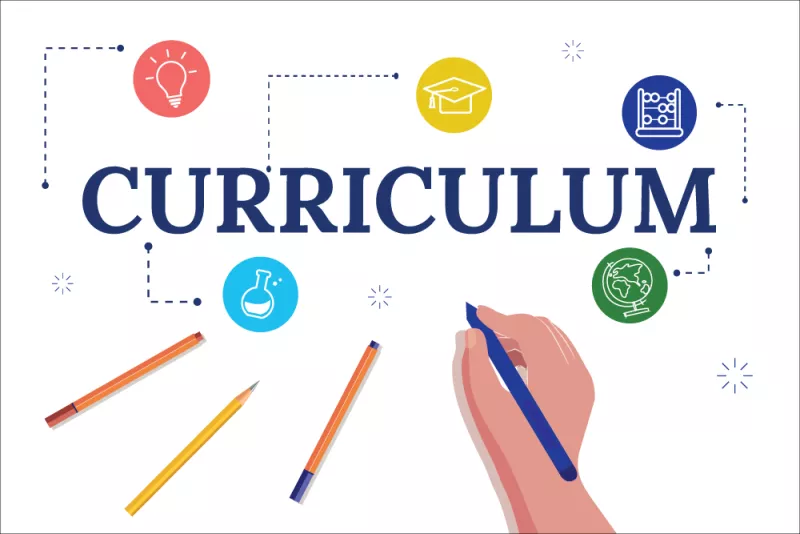
What is Curriculum?
The curriculum is a detailed and organized plan that defines the educational experiences provided to students in a formal or informal learning environment. It encompasses everything from the learning objectives to the evaluation methods used to measure success. A curriculum serves as a guide for educators, students, and policymakers to ensure consistent and effective learning outcomes.
Key Elements of a Curriculum
Goals and Objectives
Clear and measurable statements of what students are expected to know and be able to do after completing a course or program.
Example: “Students will be able to solve quadratic equations using factorization.”
Content
The body of knowledge, concepts, and skills that students are expected to learn.
Includes subjects, topics, themes, and activities tailored to developmental stages or grade levels.
Pedagogical Approaches
Strategies and methods for teaching the content. Examples include direct instruction, project-based learning, cooperative learning, or inquiry-based learning.
Learning Activities
Activities that engage students in hands-on or reflective experiences to support learning. Examples include experiments, case studies, role-playing, or group discussions.
Assessment and Evaluation
Methods used to measure students’ understanding and mastery of content.
Examples: Quizzes, standardized tests, performance tasks, presentations, and peer reviews.
Resources and Materials
Tools and materials required for delivering the curriculum, such as textbooks, digital content, lab equipment, or software.
Types of Curriculum
Formal Curriculum
Officially sanctioned and structured programs of study designed by educational institutions or governments.
Example: National curriculum frameworks like the CBSE Curriculum in India or NCTB in Bangladesh.
Informal Curriculum
Learning that occurs outside the structured classroom environment, such as through extracurricular activities, community involvement, or self-directed learning.
Hidden Curriculum
Unwritten lessons learned from the environment, culture, or social interactions in a school setting.
Example: Students might learn discipline, respect, or teamwork as part of the school culture.
Integrated Curriculum
Combines subjects or themes to provide holistic learning experiences.
Example: Teaching math, history, and art through the theme of "Architecture."
Purpose of a Curriculum
Guiding Learning: Helps teachers focus on essential skills and knowledge.
Standardization: Ensures consistency in education across schools and regions.
Skill Development: Prepares students for higher education, careers, and personal growth.
Cultural and Moral Education: Instills societal values and ethics.
Characteristics of a Good Curriculum
Relevance: Reflects the needs of students and society.
Flexibility: Adaptable to changes in knowledge, technology, and cultural contexts.
Inclusivity: Accommodates diverse learners and perspectives.
Comprehensive: Covers all essential areas of knowledge and skills.
Engaging: Encourages active participation and creativity.
Curriculum Development Process
Needs Assessment: Identifying educational goals and gaps.
Design: Creating objectives, content, and assessments.
Implementation: Training teachers and delivering the curriculum.
Evaluation: Monitoring and revising the curriculum to improve effectiveness.
Real-World Examples
International Baccalaureate (IB): A globally recognized curriculum focused on holistic education and critical thinking.
Common Core (USA): Standardized curriculum guidelines for K-12 schools in mathematics and English language arts.
Cambridge International Curriculum: Offers a flexible framework for international schools, emphasizing critical and analytical skills.
Conclusion
A curriculum is more than just a syllabus; it is the backbone of an education system that shapes students' intellectual, emotional, and social development. By aligning educational goals, content, and teaching strategies, it ensures that learning is meaningful, purposeful, and impactful.



১৮
২৮ মন্তব্য