The Transformative Role of Multimedia Classrooms in Elevating Educational Quality
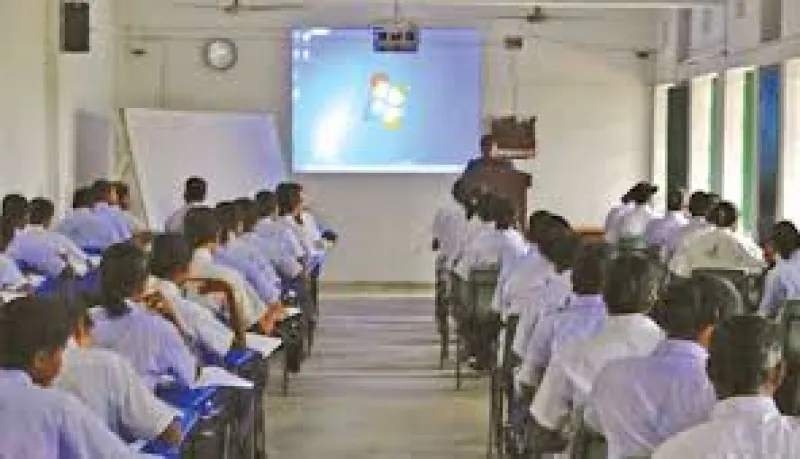
In the current globalized landscape, the integration of technology into the pedagogical process is no longer optional but an absolute necessity. The Multimedia Classroom represents the pinnacle of this technological evolution in education. It is defined as a modern, digitally equipped learning environment where instructional delivery is enhanced through a suite of tools, including projectors, interactive whiteboards, computers, high-speed internet access, and various audio-visual resources. This dynamic setting is fundamentally changing the way students engage with content, playing a pivotal role in substantially improving the quality and efficacy of education worldwide.
One of the most critical functions of these technologically rich spaces is that they Make Learning Attractive. When complex lessons are delivered through vivid images, engaging sounds, interactive animations, and relevant videos, the passive reception of information is replaced by active engagement.For example, instead of a teacher simply describing the process of photosynthesis, students can watch an animated video that visually maps the conversion of light energy into chemical energy within a leaf's cellular structure. This immediate sensory stimulation ensures students grasp the subject matter easily and significantly amplifies their inherent interest in the learning process.
Furthermore, multimedia classrooms excel at Visualizing Abstract Concepts. Many core subjects, especially in science, rely on concepts that are hard to conceive in the mind's eye. For instance, explaining the intricate dynamics of the Solar System or the complex, layered structure of the human heart based solely on static diagrams and verbal descriptions is inefficient. With multimedia tools, these subjects can be presented via 3D models or virtual reality simulations, allowing students to virtually dissect organs or orbit the planets, transforming difficult, abstract ideas into clear, visible, and memorable realities.
This multi-sensory approach fundamentally Improves the Quality of Education by deepening cognitive retention. Research confirms that when students learn through the synergistic processes of listening, seeing, and active thinking—the hallmarks of a multimedia environment—the acquired knowledge is encoded more firmly, making it long-lasting and easier to recall. A history class discussing the 1971 Bangladesh Liberation War, for instance, is far more impactful when supplemented with historical footage and audio clips rather than relying only on textbook summaries.
The technology also robustly Enhances Teacher-Student Communication. Multimedia tools transform the instructor from a mere lecturer into a facilitator and guide.By integrating polling software or real-time quiz platforms, teachers can deliver lessons more dynamically and immediately gauge student comprehension.Students, feeling encouraged to participate actively in interactive discussions and feedback sessions, naturally become more invested in the learning outcome. This fosters a collaborative atmosphere that increases mutual communication and overall class enthusiasm.
Moreover, the digital nature of the resources Saves Time and Effort for educators. Once a high-quality, engaging lesson module—complete with slides, embedded videos, and interactive elements—is meticulously prepared, it can be efficiently stored and reused across multiple classes and academic years. This reduction in repetitive preparation time allows teachers to dedicate more energy to personalized student interaction and mentoring, optimizing both educator efficiency and student learning effectiveness.
Finally, integrating this technology Prepares Students for Competition in the Modern World. Digital fluency is no longer a specialized skill but a basic requirement for nearly every contemporary career. Through regular use of computers, educational software, and the internet for research and project work in the classroom, students become inherently proficient in handling technology. This essential digital literacy enhances their critical thinking and problem-solving skills, significantly boosting their competitive capability in university and their future professional lives.
In conclusion, the multimedia classroom is not just an optional upgrade; it is an indispensable core element of modern pedagogical strategy. By seamlessly merging technology with content, it dramatically improves the depth and breadth of learning, ultimately helping in the development of students who are not only well-educated but also creative, self-confident, and technologically proficient global citizens.








৬৪
১০০ মন্তব্য