
নিত্যানন্দ সরদার
প্রভাষক

১৪ আগস্ট, ২০২৬ ০৮:৫৭ পূর্বাহ্ণ
প্রভাষক
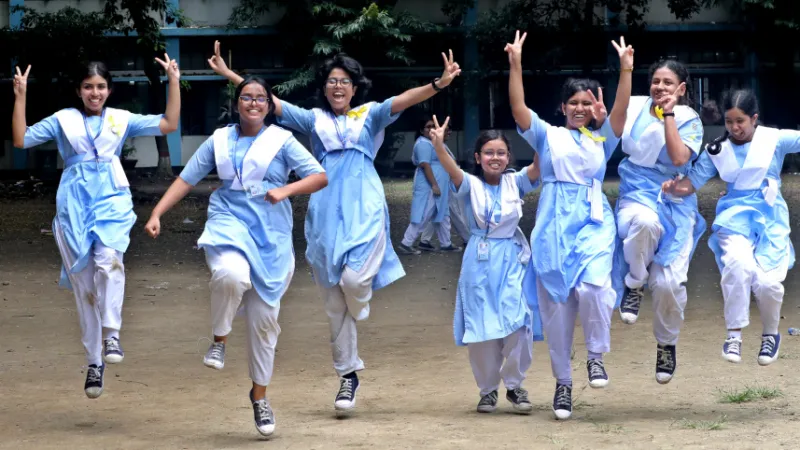
The numbers from this year’s Secondary School Certificate (SSC) and equivalent examinations tell a striking story about Bangladesh’s girls. Like in the past eight years, female students have once again outperformed their male counterparts in SSC examinations, and this year the gap widened substantially: the pass rate among girls is 66.68 percent, while that among boys is 57.86 percent, a difference of 8.82 percentage points. Girls also secured 63,896 GPA-5 results, compared to 52,780 among boys. In absolute numbers, 607,939 female candidates passed, compared to 530,938 male candidates, even though more boys had sat for the exams.
Despite these encouraging figures, it remains a puzzle why girls’ educational advantage does not translate proportionately into better employment opportunities, higher incomes, greater professional advancement, and stronger representation in leadership.
Bangladesh has made remarkable progress in girls’ education, moving from a situation in which girls were significantly disadvantaged in accessing education to one in which they have achieved, and in many respects exceeded, educational parity (particularly at the primary level). Yet, the transition from education to economic participation remains deeply unequal. According to the final report of the latest Labour Force Survey, labour force participation rate among women was 38.40 percent while that among men was 79.96 percent in 2024. In absolute terms, only 2.29 crore women were employed in 2024, in contrast to 4.62 crore men. In other words, employment among men exceeded that of women by more than two crores. Besides, female employment has been decreasing since 2022. So why are girls, despite being successful at the beginning of their educational journey, increasingly falling out of the pipeline before reaching the most







৬৪
১০০ মন্তব্য