
মোঃ মহিউল ইসলাম
প্রধান শিক্ষক

১৫ আগস্ট, ২০২৬ ০৫:৫৯ অপরাহ্ণ
প্রধান শিক্ষক
English For Today (Class 3, Unit 5, Lesson 2, p. 68)-এ ব্যবহৃত “a special need student” এবং “the sitting plan in the class”—এই expression দুটির দিকে ভাষাতাত্ত্বিক দৃষ্টিকোণ থেকে তাকালে একটি গুরুত্বপূর্ণ বিষয় স্পষ্ট হয়: non-native English-এর সমস্যা সবসময় grammar-এর সমস্যা নয়। অনেক সময় একজন learner এমন expression তৈরি করেন যা অর্থবোধক, সহজে বোঝা যায় এবং উপরিভাগে grammatical বলেও মনে হয়; কিন্তু সেটি English-এর conventional, idiomatic বা collocationally preferred expression নয়।
এ ধরনের expression-এর উদাহরণ হিসেবে বলা যায়:
· ❌ a special need child/student
· ❌ the sitting plan in the class
এর পরিবর্তে সাধারণত গ্রহণযোগ্য ও অধিক প্রচলিত expression হলো:
· ✅ a special needs child/student
· ✅ a child/student with special needs
· ✅ a child/student with special educational needs
· ✅ the seating plan
· ✅ the seating plan for the class
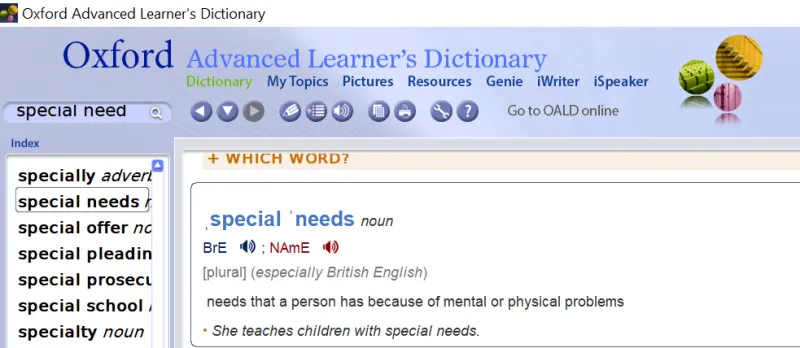
এখানে একটি গুরুত্বপূর্ণ সতর্কতা হলো: “a special needs child”-কে কেউ যদি অসংগতিপূর্ণ, যথার্থ বা আদর্শ structural নয় বলে ভুল বলতে চান তবে তা সমীচীন হবে না। কেননা, Oxford Learner’s Dictionaries এবং Cambridge Dictionary—উভয়ই special needs-এর এই ধরনের ব্যবহার প্রতিষ্ঠিত বলে নথিভুক্ত করেছে। সমস্যা মূলত “special need”-কে singular রেখে “a special need child/student” তৈরি করা।
Special needs English-এ একটি established lexical expression। এটি সাধারণত plural form—needs-এই ব্যবহৃত হয়।
তাই:
· ❌ a special need child/student
· ✅ a special needs child/student
· ✅ a child/student with special needs
English-এ কোনো ব্যক্তির বিশেষ বৈশিষ্ট্য, অবস্থা বা প্রয়োজন প্রকাশ করতে with + noun phrase construction অত্যন্ত স্বাভাবিক। যেমন:
· a child with special needs
· a student with a disability
· a learner with reading difficulties
তাই a child with special needs একটি অত্যন্ত স্বাভাবিক construction।
Formal বা educational context-এ আরও নির্দিষ্টভাবে বলা যায়:
· a child with special educational needs
· a student with special educational needs
কারণ special educational needs (SEN) একটি established educational term। Cambridge Dictionary-ও special educational needs-কে education-এর একটি নির্দিষ্ট term হিসেবে নথিভুক্ত করেছে।
এর পেছনে analogy একটি সম্ভাব্য কারণ। Learner English-এ noun + noun pattern খুবই সাধারণ। যেমন:
· school child
· classroom teacher
· language learner
· primary school
এই ধরনের pattern দেখে একজন learner ভাবতে পারেন:
special need +
child
→ special need child
অর্থাৎ, learner কোনো random mistake করছেন না। তিনি English-এর একটি productive pattern নতুন একটি ক্ষেত্রে প্রয়োগ করছেন।
এখানে একটি গুরুত্বপূর্ণ বিষয় হলো:
Grammar may permit a structure, but convention determines whether that particular combination is natural English.
অর্থাৎ, grammar কোনো structure তৈরি করার সুযোগ দিলেই যে সেই structure-এর প্রতিটি lexical combination natural English হবে, তা নয়। কোনো particular word combination English-এ প্রচলিত ও স্বাভাবিক কি না, তা অনেক সময় lexical convention ও collocation দ্বারা নির্ধারিত হয়।
এখানে মূল সমস্যা হলো sitting ও seating-এর পার্থক্য।
Sitting হলো sit verb-এর -ing form:
The students are sitting in their seats.
শিক্ষার্থীরা তাদের আসনে বসে আছে।
অন্যদিকে seat noun-এর অর্থ হলো আসন; আর seat verb হিসেবে কাউকে কোনো আসনে বসানো বা তার জন্য আসন নির্ধারণ/ব্যবস্থা করার অর্থ প্রকাশ করতে পারে:
The teacher is seating the students.
শিক্ষক শিক্ষার্থীদের বসাচ্ছেন/আসন নির্ধারণ করছেন।
এই seat থেকে arrangement বা planning-এর সঙ্গে সম্পর্কিত কিছু conventional expression তৈরি হয়েছে:
· seating arrangement (আসন ব্যবস্থাপনা)
· seating plan (আসন পরিকল্পনা)
· seating capacity (আসন সংখ্যা)
যেমন:
The teacher changed the seating arrangement.
শিক্ষক আসনের বিন্যাস পরিবর্তন করলেন।
Please follow the seating plan.
অনুগ্রহ করে আসন পরিকল্পনা অনুসরণ করো।
এখানে sitting arrangement বা sitting plan সাধারণত intended expression নয়
বিশেষ করে কে কোথায় বসবে—এই predetermined arrangement বোঝাতে English-এ conventional expression হলো:
seating plan
Collins English Dictionary seating plan-কে এমন একটি plan হিসেবে সংজ্ঞায়িত করে যা দেখায় where each person is to sit—অর্থাৎ কে কোথায় বসবে।
তাই:
· ❌ sitting plan
· ✅ seating plan
একজন non-native learner হয়তো যুক্তি করতে পারেন:
sit → sitting → sitting plan
এখানে sit → sitting morphologically সম্পূর্ণ সঠিক। কিন্তু সেখান থেকে sitting plan তৈরি করলেই তা lexical convention অনুযায়ী natural English হয়ে যায় না।
অতএব, sitting plan হলো analogy বা overgeneralisation-এর একটি ভালো উদাহরণ মাত্র।
এখানে বিশেষভাবে সতর্ক হওয়া দরকার।
The students follow the seating plan in the class.
এই বাক্যটি বোঝা যায় এবং grammatical। তাই এটিকে সরাসরি ভুল English বলা ঠিক নয়।
তবে intended meaning অনুযায়ী এর চেয়ে আরও natural বা precise alternatives থাকতে পারে।
যদি উদ্দেশ্য হয় “শ্রেণির শিক্ষার্থীরা সেই শ্রেণির জন্য নির্ধারিত seating plan অনুসরণ করে”, তাহলে বলা যায়:
✅ The students in the class follow the seating plan.
আরও নির্দিষ্টভাবে:
✅ The students follow the seating plan for the class.
এখানে for the class বোঝায়—এই particular class-এর জন্য নির্ধারিত seating plan।
আবার, যদি উদ্দেশ্য হয় “ক্লাস চলাকালে শিক্ষার্থীরা seating plan অনুসরণ করে”, তাহলে বলা যায়:
✅ The students follow the seating plan in class.
এখানে in class মূলত classroom-এ কোনো physical location-এর চেয়ে class/session-এর context বোঝায়।
আর যদি physical classroom-এর location বোঝানো হয়, তাহলে বলা যায়:
✅ The students follow the seating plan in the classroom.
অতএব:
· for the class → কোন class-এর জন্য নির্ধারিত
· in class → class চলাকালে / class-এর context-এ
· in the classroom → physical classroom-এর মধ্যে
· in the class → grammatical ও বোধগম্য হতে পারে, কিন্তু intended meaning অনুযায়ী অন্য form কখনও বেশি natural বা idiomatic হতে পারে
সুতরাং “in the class”-কে ungrammatical বলা উচিত নয়।
বাংলাভাষী learner-এর কাছে:
ক্লাসে / শ্রেণিতে
এর একটি সহজ English equivalent মনে হতে পারে:
in the class
তাই learner স্বাভাবিকভাবেই বলতে পারেন:
The students follow the seating plan in the class.
এখানে প্রথমে translation বা first-language influence কাজ করতে পারে।
তবে শুধু বাংলা থেকে সরাসরি translation-কে এর একমাত্র কারণ হিসেবে চিহ্নিত করা উচিত নয়। Second-language learners অনেক সময় English-এর ভেতরের pattern-ও নিজেদের মতো করে generalise করেন।
এখানে আরও একটি বিষয় মনে রাখা দরকার: English-এ class এবং classroom এক জিনিস নয়।
Class সাধারণত একটি teaching session, lesson বা শিক্ষার্থীদের একটি group বোঝাতে পারে; আর classroom হলো physical room বা শ্রেণিকক্ষ। যদিও নির্দিষ্ট context-এ class শব্দটি কখনও room-সংক্রান্ত অর্থও পেতে পারে, তাই class = classroom-কে সম্পূর্ণ synonym হিসেবে ধরা ঠিক নয়।
Second-language acquisition-এ একটি গুরুত্বপূর্ণ ধারণা হলো language transfer বা cross-linguistic influence।
Odlin (1989) দেখিয়েছেন যে learner-এর আগে জানা ভাষা নতুন ভাষা শেখা ও ব্যবহারে প্রভাব ফেলতে পারে।
তাই কোনো non-native English expression-এর পেছনে থাকতে পারে:
L1 influence → English production
কিন্তু প্রতিটি learner error-কে literal translation-এর ফল ভাবা ঠিক নয়।
একটি expression-এর পেছনে একই সঙ্গে বা পৃথকভাবে কাজ করতে পারে:
· first-language influence,
· analogy,
· overgeneralisation,
· incomplete knowledge of collocation,
· lexical patterning,
· বা local/institutional usage।
Learner যদি দেখেন:
· classroom teacher
· language learner
· school child
তাহলে তিনি analogy করে তৈরি করতে পারেন:
special need child
আবার:
sit → sitting
থেকে তৈরি করতে পারেন:
sitting plan
এগুলো analogy এবং overgeneralisation-এর উদাহরণ।
অর্থাৎ, learner আগে শেখা একটি pattern-কে নতুন ক্ষেত্রে প্রয়োগ করছেন।
এখানে learner-এর reasoning অনেক সময় যথেষ্ট যুক্তিসঙ্গত:
“English-এ noun-এর আগে noun বসতে পারে; তাই special need child-ও হওয়া উচিত।”
অথবা:
“sit-এর -ing form sitting; তাই sitting plan হওয়া উচিত।”
কিন্তু natural English নির্ধারিত হয় শুধু grammar দিয়ে নয়। Lexical convention এবং collocational preference-ও অত্যন্ত গুরুত্বপূর্ণ।
এই পুরো আলোচনার কেন্দ্রীয় ধারণাগুলোর একটি হলো collocation।
Collocation বলতে এমন শব্দসমষ্টিকে বোঝায় যেগুলো English-এ স্বাভাবিকভাবে বা প্রচলিতভাবে একসঙ্গে ব্যবহৃত হয়।
যেমন:
· heavy rain
· strong tea
· make/reach/take a decision — do a decision নয়
· do/conduct/carry out/perform research — make research নয়
· seating plan
· special needs
একজন learner individual words জানলেও তাদের natural combination নাও জানতে পারেন।
তাই:
Knowing words is not the same as knowing how words naturally combine.
অর্থাৎ:
শব্দ জানা আর শব্দের স্বাভাবিক সমন্বয় জানা এক বিষয় নয়।
এই কারণেই একজন learner sit এবং plan—দুটি শব্দই জানলেও seating plan না-ও জানতে পারেন।
একইভাবে তিনি special, need এবং child—তিনটি শব্দই জানলেও conventional expression special needs child বা a child with special needs জানা নাও থাকতে পারে।
এখানে একটি অত্যন্ত গুরুত্বপূর্ণ distinction হলো:
Grammar tells us what we can construct; collocation and convention tell us what we normally say.
বাংলায়:
Grammar বলে কোন structure তৈরি করা সম্ভব; collocation ও convention বলে English-এ কোন শব্দসমষ্টি সাধারণত ব্যবহৃত হয়।
তাই:
❌ sitting
plan
✅ seating plan
এবং:
❌ special
need child
✅ special needs child
—এই পার্থক্যকে শুধু grammar-এর পার্থক্য হিসেবে দেখা ঠিক নয়। এখানে lexical convention ও collocation-এর ভূমিকাও রয়েছে।
Larry Selinker-এর Interlanguage ধারণা second-language learner-এর developing linguistic system বোঝার জন্য অত্যন্ত গুরুত্বপূর্ণ।
Selinker (1972) দেখিয়েছেন যে learner-এর language system সম্পূর্ণ L1 নয়, আবার সম্পূর্ণ target language-ও নয়; এটি একটি developing system।
তাই কোনো learner-এর expression একই সঙ্গে হতে পারে:
understandable + systematic + patterned
কিন্তু একই সঙ্গে:
non-native-like
এই দৃষ্টিকোণ থেকে special need child বা sitting plan-কে শুধু careless mistake হিসেবে না দেখে learner-এর developing language system-এর ফল হিসেবেও দেখা যায়।
এটি গুরুত্বপূর্ণ, কারণ learner যে expression তৈরি করেছেন, সেটির পেছনে প্রায়ই একটি pattern-based reasoning থাকে।
কোনো expression যদি বারবার দেখা যায়:
· textbook-এ,
· teacher’s guide-এ,
· examination paper-এ,
· training material-এ,
· government document-এ,
· website-এ,
তাহলে শিক্ষক ও শিক্ষার্থীরা সেটিকে standard বা authoritative English বলে ধরে নিতে পারেন।
ফলে একটি cycle তৈরি হতে পারে:
non-native use → institutional use → repeated exposure → imitation → wider use
অর্থাৎ:
Common does not necessarily mean standard or idiomatic.
একটি expression কোনো নির্দিষ্ট educational community-তে খুব প্রচলিত হতে পারে; কিন্তু তা standard international English-এর preferred expression নাও হতে পারে।
এখানে বিশেষভাবে মনে রাখা দরকার যে frequency এবং standardness এক বিষয় নয়। কোনো expression অনেক বেশি ব্যবহৃত হচ্ছে—এটি প্রমাণ করে যে expression-টি প্রচলিত; কিন্তু শুধু প্রচলিত হওয়ার কারণে সেটি necessarily conventional, idiomatic বা preferred English হয়ে যায় না।
এ ধরনের expression সাধারণত অর্থবোধক। শ্রোতা বা পাঠক intended meaning বুঝতে পারেন।
তাই linguistic analysis-এ “bad English” বলার চেয়ে বেশি নির্ভুল terminology ব্যবহার করা ভালো। Context অনুযায়ী বলা যেতে পারে:
· non-native-like
· non-conventional
· non-idiomatic
· collocationally unusual
বিশেষ করে:
a special needs child
-কে ভুল বলা উচিত নয়, কারণ Oxford Learner’s Dictionaries এবং Cambridge Dictionary—উভয় ক্ষেত্রেই এই ধরনের ব্যবহার নথিভুক্ত রয়েছে।
আমাদের মূল আপত্তি হলো:
❌ a special need child
কারণ established expression হলো:
special needs
অতএব, special needs child এবং a child with special needs—দুটিই গ্রহণযোগ্য; দ্বিতীয়টি অনেক context-এ বিশেষভাবে natural এবং person-first formulation হিসেবেও ব্যবহৃত হয়।
|
Expression |
মূল্যায়ন |
মন্তব্য |
|
❌ a special need child |
এড়ানো উচিত |
special needs established expression |
|
✅ a special needs child |
Attested/acceptable |
Oxford ও Cambridge-এ সমর্থিত |
|
✅ a child with special needs |
অত্যন্ত প্রচলিত ও natural |
with + noun phrase construction |
|
✅ a child with special educational needs |
Formal/educational |
SEN concept বোঝাতে উপযোগী |
|
❌ the sitting plan |
সাধারণত নয় |
Intended meaning-এ seating plan conventional |
|
✅ the seating plan |
Standard |
কোথায়/কে কোথায় বসবে তা দেখানো plan |
|
✅ the seating plan for the class |
খুব পরিষ্কার |
এই particular class-এর জন্য নির্ধারিত plan |
|
✅ the seating plan in class |
Natural |
class চলাকালে/context-এ |
|
✅ the seating plan in the classroom |
Natural |
physical classroom-এর location বোঝালে |
|
⚠️ the seating plan in the class |
বোঝা যায় |
Context অনুযায়ী অন্য form বেশি idiomatic হতে পারে |
এই উদাহরণগুলো দেখায় যে English teaching-এ শুধু grammar শেখানো যথেষ্ট নয়।
Learners-এর শেখা দরকার:
· vocabulary — শব্দ
· grammar — ব্যাকরণ
· collocations — স্বাভাবিক শব্দসমন্বয়
· lexical chunks — প্রচলিত word combinations
· word formation — শব্দগঠন
· preposition patterns — preposition-এর স্বাভাবিক ব্যবহার
· contextual usage — context অনুযায়ী expression নির্বাচন
Learner-কে শুধু:
sit = বসা
শেখালে যথেষ্ট নয়। তাকে শেখাতে হবে:
· sit in a chair
· sit down
· seating arrangement
· seating plan
একইভাবে শুধু special, need এবং child আলাদাভাবে জানলেই যথেষ্ট নয়। তাকে শেখাতে হবে:
· special needs
· a special needs child
· a child with special needs
· special educational needs
অর্থাৎ vocabulary teaching-কে শুধু individual words শেখানোর মধ্যে সীমাবদ্ধ না রেখে words in combination শেখানোর দিকেও গুরুত্ব দিতে হবে।
“a special need child” এবং “the sitting plan in the class”-এর মতো expression আমাদের দেখায় যে non-native English-এর সমস্যা সবসময় grammar-এর সমস্যা নয়।
একজন learner:
· শব্দ জানেন,
· grammar জানেন,
· একটি logical pattern-ও অনুসরণ করেন,
তবু English-এর conventional lexical combination না জানার কারণে এমন expression তৈরি করতে পারেন যা বোঝা যায়, কিন্তু native-like বা conventional নয়।
এ ধরনের expression তৈরির পেছনে থাকতে পারে:
মাতৃভাষার প্রভাব + analogy + overgeneralisation + literal translation + word formation + collocational knowledge-এর ঘাটতি + local/institutional usage
তবে প্রতিটি expression-এর ক্ষেত্রে সব কারণ সমানভাবে কাজ করে—এমন দাবি করা উচিত নয়। কোনো particular expression কেন তৈরি হয়েছে তা নির্ধারণ করতে হলে তার linguistic context এবং learner-এর language background বিবেচনা করতে হয়।
সবচেয়ে গুরুত্বপূর্ণ linguistic lesson হলো:
Knowing words is not the same as knowing how words naturally combine.
অর্থাৎ:
ইংরেজি জানা মানে শুধু ইংরেজি শব্দ ও grammar জানা নয়; কোন শব্দের সঙ্গে কোন শব্দটি স্বাভাবিকভাবে ব্যবহৃত হয়, সেটিও জানা।
এই কারণেই collocation এবং lexical chunks second-language English proficiency-এর গুরুত্বপূর্ণ অংশ।
সুতরাং আমাদের আলোচিত দুইটি মূল expression-এর ক্ষেত্রে সবচেয়ে নির্ভুল সিদ্ধান্ত হলো:
❌ a special need
child
কারণ established expression হলো special needs।
এবং:
❌ the sitting plan
কারণ intended meaning-এ conventional expression হলো seating plan।
অন্যদিকে:
⚠️ The students follow the seating plan in the class.
—এটিকে সরাসরি ভুল বলা উচিত নয়। বাক্যটি grammatical এবং অর্থবোধক। তবে intended meaning অনুযায়ী:
The students follow the seating plan for the class.
The students follow the seating plan in class.
অথবা:
The students follow the seating plan in the classroom.
—এগুলোর কোনোটি context অনুযায়ী বেশি natural বা precise হতে পারে।
অতএব, এই আলোচনার মূল শিক্ষা হলো: English-এর grammatical possibility এবং English-এর conventional usage এক জিনিস নয়। একটি structure grammar অনুযায়ী তৈরি করা সম্ভব হলেও, সেটির শব্দসমন্বয় English-এ প্রচলিত বা idiomatic নাও হতে পারে। এই পার্থক্যটি বোঝার জন্য collocation, lexical convention, language transfer, analogy, overgeneralisation এবং interlanguage—সবগুলো ধারণাই গুরুত্বপূর্ণ।
|
মূল ধারণা |
প্রধান উৎস |
|
special needs / seating plan |
Dictionary-based usage: Cambridge, Oxford, Collins |
|
collocation |
Lewis (1993); Lewis & Conzett (2000); Nattinger & DeCarrico (1992) |
|
language transfer / cross-linguistic influence |
Odlin (1989) |
|
interlanguage |
Selinker (1972) |
|
analogy / overgeneralisation |
Second-language acquisition ও interlanguage framework |
|
lexical phrases / chunks |
Nattinger & DeCarrico (1992); Lewis (1993) |
এইভাবে আলোচনাটির lexical claims dictionary evidence দ্বারা এবং non-native expression তৈরির ব্যাখ্যা second-language acquisition-এর প্রতিষ্ঠিত ধারণা—transfer, interlanguage, analogy, overgeneralisation এবং collocation—দ্বারা সমর্থিত।
সবশেষে, একটি বাক্যে পুরো আলোচনাটিকে সংক্ষেপ করা যায়:
A learner may know the words and the grammar, but still may not know which words naturally go together.
অর্থাৎ:
একজন learner শব্দ ও grammar জানলেও কোন শব্দের সঙ্গে কোন শব্দটি স্বাভাবিকভাবে ব্যবহৃত হয়, তা নাও জানতে পারেন।
এবং এখানেই grammar knowledge ও lexical/collocational competence-এর গুরুত্বপূর্ণ পার্থক্যটি স্পষ্ট হয়ে ওঠে।






১৩
১৮ মন্তব্য