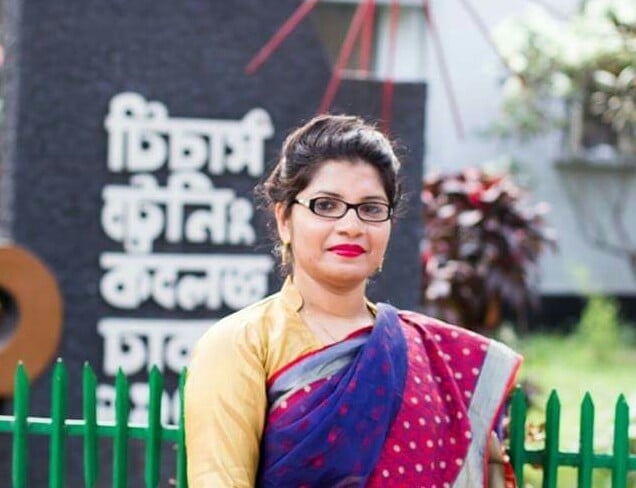
তাসলিমা বেগম
সহকারী প্রধান শিক্ষক

০৯ সেপ্টেম্বর, ২০২৩ ০৭:০১ অপরাহ্ণ
সহকারী প্রধান শিক্ষক
Dialogue is a fundamental element of human communication and
storytelling, playing a crucial role in various aspects of our lives.
Its importance can be seen in several contexts:
Communication: Dialogue is the primary means through which people
exchange ideas, share information, express feelings, and connect with
one another. Effective dialogue is essential for building relationships,
resolving conflicts, and fostering understanding among individuals and
groups.
Conflict Resolution: Constructive dialogue is a
key tool for resolving conflicts peacefully and finding common ground.
When people engage in open and honest conversations, they can identify
the root causes of disputes and work towards mutually acceptable
solutions.
Cultural Understanding: Dialogue helps people
from different cultural backgrounds bridge the gap of misunderstanding.
It allows individuals to learn about and appreciate the values, beliefs,
and customs of others, leading to greater cultural sensitivity and
harmony.
4. Personal Growth: Engaging in dialogue with
oneself, often referred to as self-talk, is a crucial aspect of personal
development. It helps individuals reflect on their thoughts, emotions,
and goals, leading to self-awareness and personal growth.
5. Education: Dialogue is the foundation of the educational process.
Teachers and students engage in dialogues to exchange knowledge, explore
new ideas, and facilitate learning. Classroom discussions encourage
critical thinking and enhance comprehension.
6. Literature and
Storytelling: In literature and storytelling, dialogue is a powerful
tool for character development, plot advancement, and theme exploration.
Well-crafted dialogue brings characters to life, reveals their
motivations, and drives the narrative forward.
7. Social and
Political Change: Throughout history, dialogue has been instrumental
in bringing about social and political change. Movements for civil
rights, gender equality, and environmental conservation have often
relied on open discussions to raise awareness, mobilize support, and
advocate for change.
8. Business and Negotiation: In the
business world, effective dialogue is essential for negotiations,
problem-solving, and decision-making. Successful leaders and teams
prioritize communication to achieve organizational goals and foster
collaboration.
9. Mediation and Diplomacy: In international
relations, diplomacy relies heavily on dialogue to prevent conflicts and
resolve disputes between nations. Skilled diplomats use dialogue as a
means to maintain peace and negotiate treaties.
10. Therapy and
Counseling: In the field of psychology, dialogue is a central
component of therapy and counseling. It provides individuals with a safe
space to express their thoughts and emotions, leading to personal
healing and emotional well-being.
