
মোঃ মনিরুল হক
সহকারী শিক্ষক

০৫ জুলাই, ২০২৫ ০৫:৪০ অপরাহ্ণ
সহকারী শিক্ষক
ধরনঃ সাধারণ শিক্ষা
শ্রেণিঃ নবম
বিষয়ঃ English for Today
ইউনিটঃ Unit-10
? Zahir Raihan: A Visionary Filmmaker and Martyr of Bangladesh
(জহির রায়হান: বাংলাদেশের একজন দূরদর্শী চলচ্চিত্র নির্মাতা ও শহীদ মুক্তিযোদ্ধা)
? Introduction | ভূমিকা
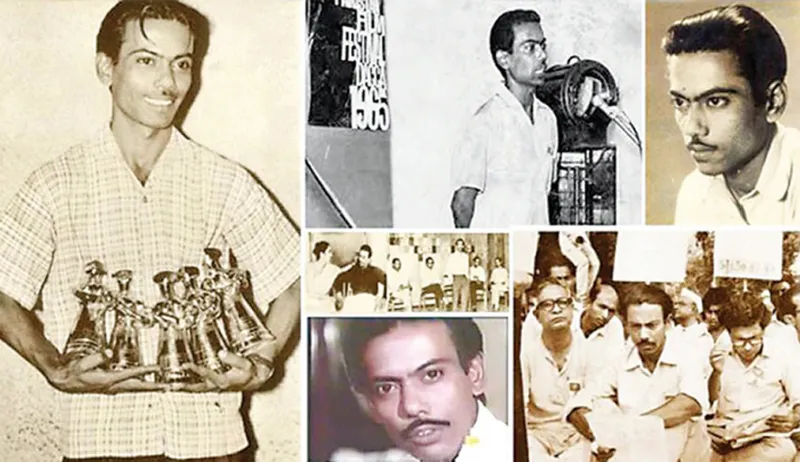
Zahir Raihan was one of the most influential and
visionary filmmakers, writers, and intellectuals in the history of Bangladesh.
His name is etched in the heart of the nation not only for his artistic
brilliance but also for his deep patriotism and ultimate sacrifice during the
Liberation War.
জহির রায়হান ছিলেন বাংলাদেশের ইতিহাসে অন্যতম প্রভাবশালী এবং দূরদর্শী চলচ্চিত্র নির্মাতা,
লেখক ও বুদ্ধিজীবী। কেবল শিল্প-সৌন্দর্যের জন্যই নয়,
মুক্তিযুদ্ধে তাঁর গভীর দেশপ্রেম ও আত্মত্যাগের কারণেও তিনি জাতির হৃদয়ে অমর হয়ে আছেন।
? Early Life and Education | প্রারম্ভিক জীবন ও শিক্ষা
Zahir Raihan was born on August 19, 1935, in Feni
district, then under British India. He completed his matriculation from
Amirabad High School and later pursued his higher education at the University
of Dhaka, where he studied Bengali literature. From an early age, he showed a
keen interest in writing, journalism, and cinema.
জহির রায়হানের জন্ম ১৯৩৫ সালের ১৯ আগস্ট,
তৎকালীন ব্রিটিশ ভারতের ফেনী জেলায়। তিনি আমিরাবাদ হাই স্কুল থেকে ম্যাট্রিক পাস করেন এবং পরে ঢাকা বিশ্ববিদ্যালয়ে বাংলা সাহিত্য অধ্যয়ন করেন। ছোটবেলা থেকেই তিনি লেখালেখি,
সাংবাদিকতা ও চলচ্চিত্রে গভীর আগ্রহ দেখান।
? Career in Film and Literature | চলচ্চিত্র ও সাহিত্যজগতে পথচলা
Zahir Raihan began his career as a journalist and short
story writer. His literary works reflect deep socio-political consciousness. He
entered the world of film in the 1950s and soon became a pioneer of Bengali
cinema in East Pakistan. His directorial debut was the film Kokhono
Asheni (1961), which was acclaimed for its powerful storytelling and
social message.
জহির রায়হান প্রথমে সাংবাদিকতা ও ছোটগল্প লেখার মাধ্যমে তাঁর পেশাজীবন শুরু করেন। তাঁর সাহিত্যকর্মে সমাজ ও রাজনীতির প্রতি গভীর সচেতনতা প্রতিফলিত হয়। ১৯৫০-এর দশকে তিনি চলচ্চিত্র জগতে প্রবেশ করেন এবং শিগগিরই পূর্ব পাকিস্তানে বাংলা চলচ্চিত্রের অগ্রদূত হিসেবে পরিচিতি লাভ করেন। তাঁর পরিচালনায় প্রথম চলচ্চিত্র কখনো আসেনি (১৯৬১), যা শক্তিশালী গল্প ও সামাজিক বার্তার জন্য প্রশংসিত হয়।
**He went on to direct many iconic films such as:
"Jibon Theke Neya" is considered a milestone in
Bengali cinema, using metaphor and symbolism to portray the political
oppression of Pakistan over East Bengal.
“জীবন থেকে নেয়া” বাংলা চলচ্চিত্রের ইতিহাসে এক মাইলফলক হিসেবে বিবেচিত,
যেখানে রূপক ও প্রতীকের মাধ্যমে পাকিস্তানি শাসকদের রাজনৈতিক দমননীতিকে উপস্থাপন করা হয়।
? Role in the Liberation War | মুক্তিযুদ্ধে ভূমিকা
Zahir Raihan was a staunch supporter of the Bengali
nationalist movement. During the 1971 Liberation War, he actively worked to
expose the brutalities of the Pakistani army to the world. His
documentary Stop Genocide shocked international audiences and
played a significant role in generating global awareness.
জহির রায়হান ছিলেন বাঙালি জাতীয়তাবাদী আন্দোলনের একনিষ্ঠ সমর্থক। ১৯৭১ সালের মুক্তিযুদ্ধের সময় তিনি পাকিস্তানি সেনাবাহিনীর বর্বরতা আন্তর্জাতিক মহলের সামনে তুলে ধরার জন্য সক্রিয়ভাবে কাজ করেন। তাঁর নির্মিত তথ্যচিত্র স্টপ জেনোসাইড আন্তর্জাতিক মহলে নাড়া দেয় এবং বিশ্বজুড়ে জনমত তৈরিতে গুরুত্বপূর্ণ ভূমিকা রাখে।
? Tragic Disappearance and Martyrdom | নিখোঁজ ও শহীদ হওয়া
On January 30, 1972, Zahir Raihan went missing while
searching for his elder brother, Shahidullah Kaiser, a martyred intellectual
abducted by Al-Badr forces. It is believed that Zahir was also killed by the
same forces. His body was never found.
১৯৭২ সালের ৩০ জানুয়ারি, নিখোঁজ শহীদ বুদ্ধিজীবী ভাই শহীদুল্লাহ কায়সারকে খুঁজতে গিয়ে জহির রায়হান নিজেও নিখোঁজ হন। ধারণা করা হয়,
তাকেও আলবদর বাহিনী হত্যা করে। তাঁর মরদেহ কখনোই পাওয়া যায়নি।
? Legacy | উত্তরাধিকার
Zahir Raihan's legacy is eternal in Bangladesh. His films
are studied in film schools, his writings are admired in literature, and his
name is revered as a martyr who gave his life for the country’s freedom and
truth. The Bangladesh government honored him with several awards, including
the Independence Award posthumously.
জহির রায়হানের উত্তরাধিকার বাংলাদেশে চিরস্থায়ী। তাঁর চলচ্চিত্রগুলো ফিল্ম স্কুলে পাঠ্য হিসেবে পড়ানো হয়,
তাঁর সাহিত্য রচনাগুলো সাহিত্যে শ্রদ্ধার সঙ্গে আলোচিত হয় এবং তাঁকে একজন শহীদ হিসেবে স্মরণ করা হয়,
যিনি দেশের স্বাধীনতা ও সত্যের জন্য প্রাণ দিয়েছেন। বাংলাদেশ সরকার তাঁকে বিভিন্ন পুরস্কারে ভূষিত করেছে,
যার মধ্যে মরণোত্তর স্বাধীনতা পদক অন্যতম।
✅ Famous Works | বিখ্যাত কাজসমূহ
Films: Jibon Theke Neya, Kancher
Deyal, Behula, Kokhono Asheni, Stop
Genocide
চলচ্চিত্র: জীবন থেকে নেয়া, কাঁচের দেয়াল, বেহুলা, কখনো আসেনি, স্টপ জেনোসাইড
Books: Arek Falgun, Hajar Bochhor
Dhore, Shesh Bikeler Meye
গ্রন্থ: আরেক ফাল্গুন, হাজার বছর ধরে, শেষ বিকেলের মেয়ে
✍️ Conclusion | উপসংহার
Zahir Raihan was not just a filmmaker; he was a visionary
artist, a fearless patriot, and a martyr whose life and works continue to
inspire generations of Bangladeshis. His disappearance remains a painful
mystery, but his ideals, dreams, and creations live on.
জহির রায়হান কেবল একজন চলচ্চিত্র নির্মাতা ছিলেন না;
তিনি ছিলেন একজন দূরদর্শী শিল্পী, নির্ভীক দেশপ্রেমিক ও শহীদ,
যাঁর জীবন ও কর্ম আজও বাংলাদেশের প্রজন্মকে অনুপ্রাণিত করে। তাঁর নিখোঁজ হয়ে যাওয়া আজও বেদনার এক অধ্যায়,
কিন্তু তাঁর আদর্শ, স্বপ্ন ও সৃষ্টি আজও বেঁচে আছে।


